What is the role of welding in the manufacture of pressure equipment?
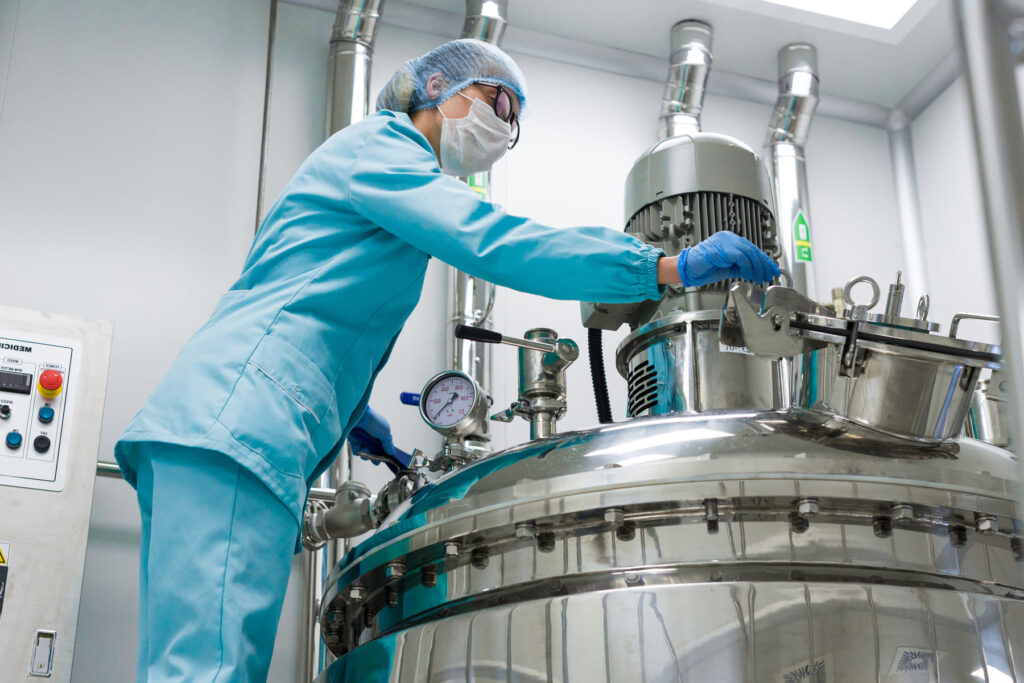
Welding plays an essential role to fabricating of high-pressure equipment used in critical industrial applications such as chemical reactors, heat exchangers, and pressure vessels. The integrity and performance of pressure vessels depend heavily on the quality of the welds, as these joints must withstand the mechanical stresses, temperature fluctuations, and corrosive environments often found in high-pressure systems. Welding techniques ensure that the components of pressure equipment are securely joined, maintain their structural integrity, and perform reliably under operational conditions.
In the presurre equiment manufacturing welding is not only a process to join materials but also a critical process to enhance strength, safety, and longevity. Since these devices operate under high-pressure conditions, even the smallest welding imperfections can lead to catastrophic failures, resulting in significant risks to both personnel and equipment.
It is a fundamental process for the industry and for obtaining optimum results. Today we will learn about each technique, process and importance of welding.
Advanced welding techniques for optimal high-pressure equipment performance
When manufacturing high-pressure equipment, choosing the right welding technique is essential to ensure strong, durable, and defect-free joints. Advanced welding methods, such as Tungsten Inert Gas (TIG) welding and Metal Inert Gas (MIG) welding, are commonly used to join materials like stainless steel, carbon steel, and high-alloy steels. These methods offer precision and control, which are essential for high-pressure applications.
Each welding technique has its specific advantages, depending on the material, the joint design, and the application. At InoxTorres we want you to know in detail the main welding techniques and how they are implemented on a daily basis in the industry.
Tungsten Inert Gas welding (TIG)
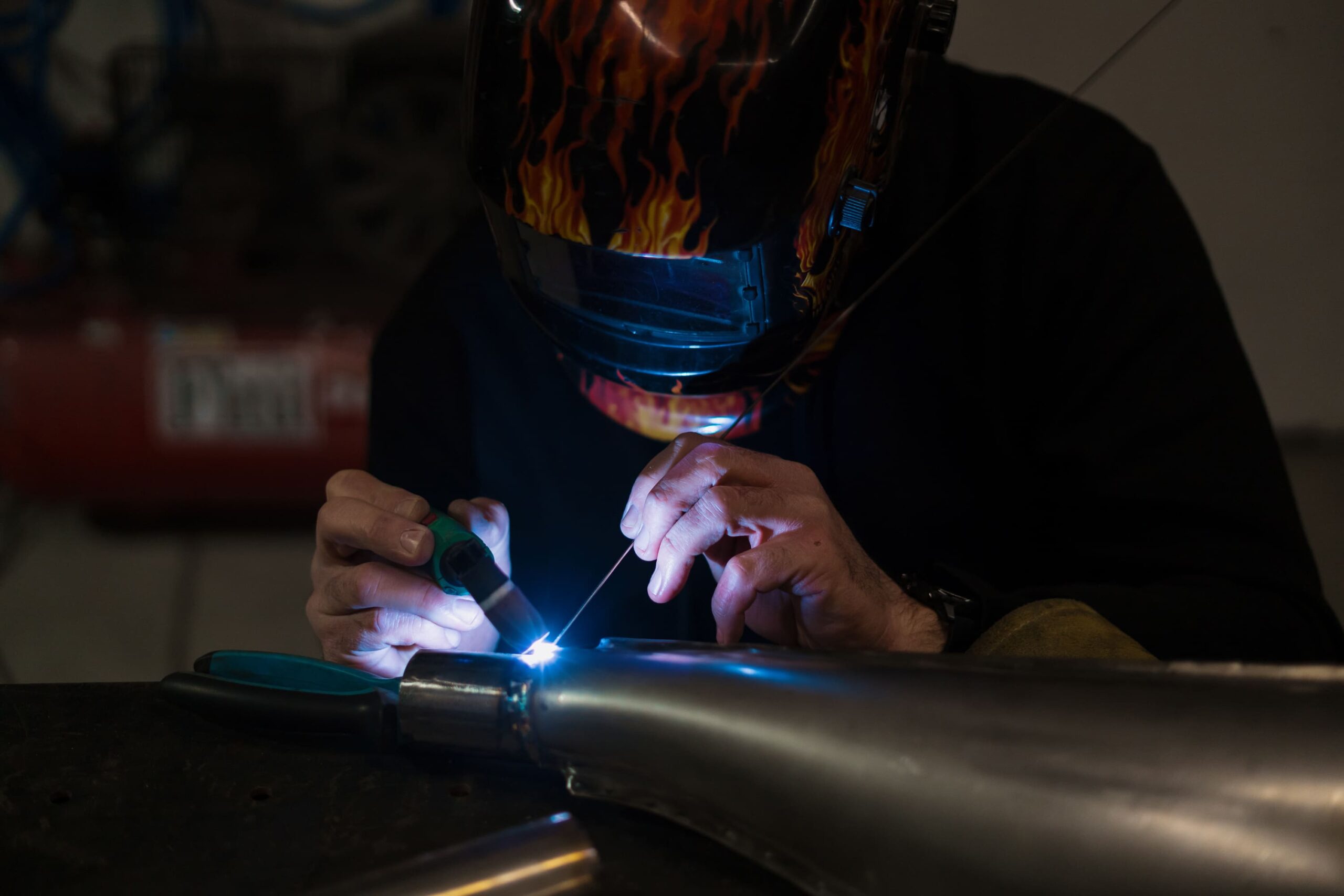
TIG welding, also known as Gas Tungsten Arc Welding (GTAW), is one of the most precise welding techniques used in high-pressure equipment manufacturing. It is highly favored for structural steel welding and for welding materials that require a clean and high-quality finish, such as stainless steel and titanium. In TIG welding, a tungsten inert gas (such as argon) is used to shield the weld area from contamination, providing a stable arc and clean welds.
TIG welding is ideal for applications requiring precise control over the heat input and a smooth, high-quality finish. It’s commonly used in critical equipment repairs where minimal distortion and defects are required.
Metal Inert Gas (MIG) welding
MIG welding (also known as Gas Metal Arc Welding, or GMAW) is one of the most versatile and widely used welding techniques in industrial applications. It uses a wire electrode fed automatically into the weld pool, creating a continuous arc. MIG welding is suitable for thicker materials and is especially effective for joining high-strength materials in high-pressure systems like heat exchangers.
MIG welding is fast, efficient, and cost-effective, making it an excellent choice for large-scale manufacturing. However, it’s best suited for less intricate applications compared to TIG welding due to its slightly higher risk of porosity and spatter in some situations.
Submerged Arc Welding (SAW)
Submerged Arc Welding (SAW) is often employed in the welding of thick materials where high welding speeds and deep penetration are required. In SAW, the weld area is submerged beneath a layer of flux, which helps to protect the weld from oxidation and contamination. This method produces high-quality welds and is particularly useful for pressure vessels and large-diameter pipes.
SAW is capable of producing very strong welds with minimal post-weld cleanup, making it an excellent choice for large-scale industrial applications where high productivity is required.
Shielded Metal Arc Welding (SMAW)
Shielded Metal Arc Welding (SMAW), also known as stick welding, is one of the most versatile and widely used welding techniques. SMAW is especially useful for equipment repairs and works in various positions, making it ideal for both on-site and shop applications. The process uses a consumable electrode coated with flux, which generates a shielding gas to protect the weld area.
While SMAW is often considered less precise compared to TIG and MIG welding, it is highly effective for welding structural steel and high-pressure applications where cost-effective solutions are needed.
Flux Cored Arc Welding (FCAW)
Flux Cored Arc Welding (FCAW) is similar to MIG welding but uses a flux-cored wire instead of a solid wire. The flux within the core of the wire provides shielding and creates a slag coating, which helps to protect the weld pool from contamination. FCAW offers high deposition rates and is ideal for welding thicker materials commonly found in high-pressure systems.
FCAW is commonly used for welding thicker pipes and pressure vessels in applications such as petrochemical industries and heavy manufacturing, where productivity and efficiency are critical.
Plasma Arc Welding (PAW)
Plasma Arc Welding (PAW) is similar to TIG welding but utilizes a smaller, more concentrated arc to produce deeper penetration and a more stable welding process. PAW can be used for both manual and automated welding processes and is suitable for welding high-strength alloys and materials that require high precision.
PAW is particularly useful for applications that demand a high level of control over the heat input and minimal distortion in the weld, such as in the aerospace and nuclear industries.
Electron Beam Welding (EBW)
Electron Beam Welding (EBW) is an advanced welding technique used for high-precision applications. It uses a high-velocity electron beam to melt the material and create a deep, narrow weld. EBW is capable of producing high-quality welds without the need for filler materials, making it ideal for thin-walled, high-precision welding.
EBW is commonly used in industries such as aerospace and nuclear power, where high-precision welds are critical and where traditional methods might not provide the necessary accuracy.
Choosing the optimal welding technique for various high-pressure equipment applications
The selection of the appropriate welding technique for high-pressure equipment depends on several factors, including the material being welded, the thickness of the material, the type of joint, and the required strength and durability of the weld. In general:
- TIG welding is the best choice for applications that require high precision and a clean, smooth finish, such as when welding stainless steel or titanium.
- MIG welding is more suitable for thick materials and faster production times but may not offer the same level of precision as TIG.
- Submerged Arc Welding is ideal for large-scale welding in pressure vessel manufacturing, where high penetration and productivity are essential.
- SMAW is versatile and often used for equipment repairs or welding structural steel in field applications.
- FCAW is suitable for welding thicker materials in environments where higher productivity is needed, such as in heavy industries.
Each welding technique comes with its own set of advantages and trade-offs. The choice of the optimal technique depends on the specific requirements of the high-pressure equipment, including factors like temperature, pressure, fluid type, and mechanical stress.
Post-welding inspection and testing for high-pressure equipment
After the welding process, it is crucial to conduct thorough inspections and testing to ensure that the welds are of the highest quality. This is particularly important in the manufacture of high-pressure equipment, where failures can lead to catastrophic consequences.
Common post-welding inspections include:
- Visual Inspection: Inspecting the welds for any visible defects, such as cracks, voids, or porosity.
- Ultrasonic Testing (UT): Using sound waves to detect subsurface flaws in the welds.
- Radiographic Testing (RT): Using X-rays to create images of the internal structure of the welds and verify their integrity.
- Dye Penetrant Testing (DPT): Applying a liquid dye to detect surface cracks and defects.
- Hydrostatic Testing: Pressurizing the vessel to check for leaks and ensure that the welds can withstand high-pressure conditions.
Ensuring that each weld meets these rigorous standards is essential for the safety and performance of high-pressure equipment. Thorough inspection and testing provide confidence that the welded joints will perform reliably under the extreme conditions they are designed for.
Ensuring Structural Integrity and Longevity in High-Pressure Equipment
The integrity and longevity of high-pressure equipment rely heavily on the quality of welding used during its manufacture. Advanced welding techniques are not just necessary for creating strong bonds, but also for ensuring that the equipment can withstand extreme operational stresses over time. Ensuring high-quality welds is crucial not only for the immediate performance but also for the overall durability and safety of the vessel throughout its service life.
As industrial applications continue to demand more from high-pressure equipment, the development of high-performance welding techniques becomes indispensable. These methods, which provide superior strength, efficiency, and precision, will continue to shape the future of manufacturing processes in sectors where safety and reliability are non-negotiable.