
Sustainability in manufacturing industry is no longer an optional initiative; it directly affects operational efficiency, long-term performance, and market positioning of industrial equipment manufacturers. Companies now incorporate sustainable manufacturing practices throughout the supply chain and production processes, aiming to minimize negative environmental impacts, conserve energy and natural resources, and optimize the use of raw materials.
Adopting eco-friendly production methods not only reduces carbon emissions and energy consumption, but also provides manufacturing companies with a competitive advantage by positioning them as leaders in sustainable manufacturing practices. Efficient management of energy and materials contributes to robust operations while reinforcing compliance with international regulations and environmental standards.
Integrating sustainability into the design and operation of industrial equipment enhances durability, operational efficiency, and adaptability. By implementing energy-efficient methods, optimizing manufacturing processes, selecting responsible raw materials, and applying lifecycle assessment approaches, manufacturers can reduce environmental impacts while conserving energy and natural resources. These practices also ensure improved material utilization, longer equipment lifespans, and measurable operational improvements over time.
What is the Role of Welding in the Manufacture of Pressure Equipment?
Welding is critical for ensuring the integrity and safety of pressure equipment. High-pressure applications demand strict adherence to standards such as the ASME Boiler and Pressure Vessel Code (BPVC) or EN 13445 for unfired pressure vessels. Welding procedure specifications (WPS), welder performance qualifications (WPQ), and certified materials are essential to meet operational and safety requirements.
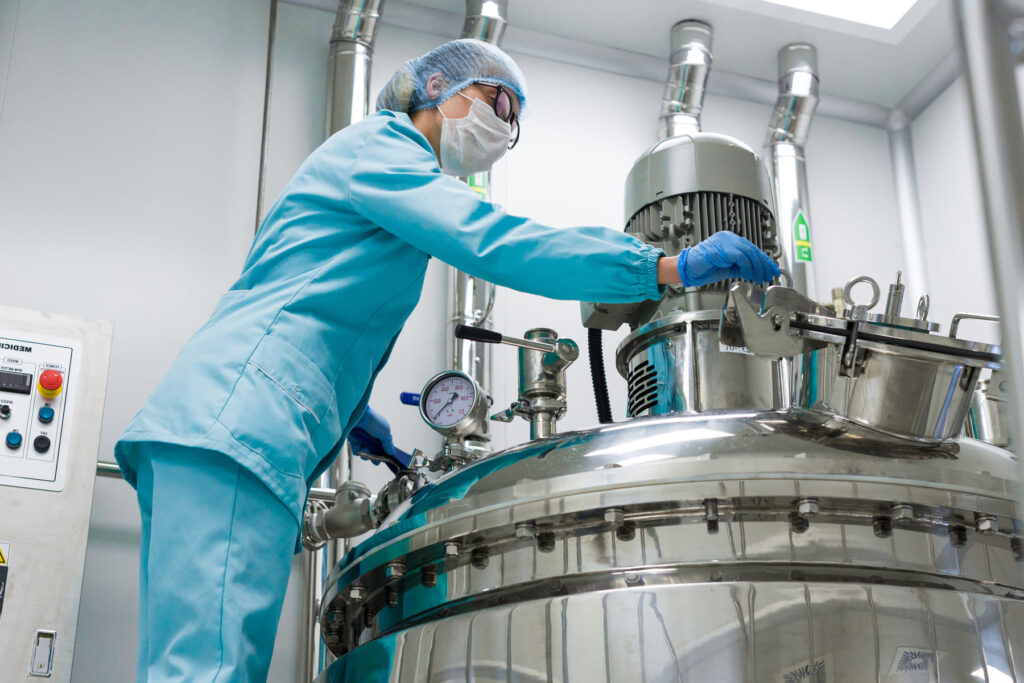
Sustainable welding practices focus on reducing environmental impact, optimizing energy and natural resources, and improving operational efficiency. Advanced welding methods, including electron beam welding (EBW) and laser beam welding (LBW), offer high precision, narrow heat-affected zones, and lower distortion, reducing rework and energy use. Robotic welding systems improve consistency, minimize material waste, and enhance operator safety. Additionally, using shielding gases with lower global warming potential and selecting raw materials with smaller environmental footprints strengthen sustainability in manufacturing industry for welded assemblies.
What is Sustainability in Manufacturing?
Sustainability in manufacturing industry is the systemic implementation of processes that minimize negative environmental impacts while conserving energy and natural resources and optimizing the use of raw materials. It encompasses eco-friendly design, energy-efficient production processes, responsible sourcing, efficient supply chain logistics, and planning for end-of-life disposal or recycling.
A complete sustainability strategy ensures long-term operational efficiency, supports energy managers in optimizing resource usage, and provides manufacturing companies with a competitive advantage. Integrating these principles across the manufacturing process reduces waste, improves resource efficiency, and strengthens the overall environmental performance of industrial equipment.
How Sustainable Manufacturing Practices Impact Industrial Equipment
Energy-Efficient Process Design and Optimization
Energy consumption is a key factor in sustainable manufacturing. Optimized production processes and energy-efficient equipment design reduce overall operational energy requirements. Key approaches include:
- Implementation of low-energy machinery such as high-efficiency motors, variable frequency drives, and induction heating systems.
- Optimization of process flows to reduce idle energy usage and unnecessary power consumption.
- Integration of energy recovery systems, including waste heat recovery and energy recycling mechanisms.
Advanced plasma-based metalworking or automated fabrication methods lower carbon emissions, conserve energy, and improve operational precision, enabling industrial equipment to meet both performance and sustainability goals.
Material Utilization and Resource Efficiency Strategies
Optimizing material usage is central to sustainability in manufacturing industry. By prioritizing recycled, renewable, or bio-based raw materials, manufacturers reduce environmental impacts while maintaining equipment quality. Topology optimization and additive manufacturing allow components to be created layer-by-layer, reducing waste and energy consumption. The adoption of lightweight, high-performance designs further improves material efficiency and contributes to more energy-efficient production processes. These strategies also allow equipment to maintain structural performance and durability while minimizing carbon emissions and other negative environmental impacts.
Industrial Equipment Performance Under Sustainable Practices
Sustainable manufacturing practices directly affect equipment performance. Industrial equipment designed with energy efficiency and material optimization in mind tends to require less maintenance, achieve longer operational life, and demonstrate greater reliability under variable conditions. Integrating these principles allows manufacturing companies to gain a competitive edge by producing equipment that not only meets performance standards but also supports long-term sustainability objectives. Equipment manufactured with sustainability in mind balances operational efficiency, energy consumption, and environmental impact throughout its lifecycle.
Integration of Sustainability into Production Engineering
Lifecycle Assessment and Environmental Impact Analysis
Lifecycle assessment (LCA) evaluates environmental impacts from raw materials through manufacturing, operation, and end-of-life disposal. Identifying areas with high energy and natural resource consumption enables targeted strategies such as substituting materials with lower environmental footprints, optimizing manufacturing processes, and implementing recycling programs. These interventions allow energy managers to plan long-term strategies for reducing negative environmental impacts while enhancing resource efficiency.
Advanced Manufacturing Methods for Sustainability
Implementation of Industry 4.0 Technologies for Energy Management
Industry 4.0 technologies support sustainability in manufacturing industry by enabling detailed monitoring and optimization of energy-efficient production processes. IoT sensors collect real-time data on equipment energy usage, while AI-driven predictive analytics optimize operational scheduling and reduce unnecessary energy consumption. Smart control systems adjust processes dynamically to conserve resources and reduce carbon emissions. By integrating these technologies, manufacturing companies improve efficiency, reduce environmental impacts, and strengthen their position in the competitive market while maintaining high standards of equipment performance.
Continuous Improvement Protocols for Eco-Efficient Production
Continuous improvement frameworks like Lean Manufacturing and Six Sigma support sustainable production by systematically reducing waste and optimizing resource utilization in production processes. Kaizen events and value stream mapping promote incremental efficiency gains while aligning with sustainable manufacturing practices. These methods ensure equipment is manufactured with lower energy demands, reduced material consumption, and consistent operational quality, contributing to a long-term reduction in environmental impact.
Regulatory Compliance and International Standards
Compliance with environmental regulations and standards is essential:
- ISO 14001 for Environmental Management Systems.
- EU directives such as RoHS, WEEE, and REACH.
Meeting these requirements reduces environmental impact, ensures legal compliance, and reinforces the reputation of manufacturing companies in global supply chains focused on sustainability.
Smart Monitoring and Predictive Maintenance for Sustainability
Predictive maintenance technologies improve sustainability by monitoring equipment parameters such as vibration, temperature, and energy consumption to detect anomalies before they escalate into failures. This proactive approach reduces material waste, lowers energy use, and prolongs equipment service life. Integrating smart maintenance strategies into industrial equipment operations ensures that energy and natural resources are conserved, operational efficiency is maximized, and environmental impacts are minimized, reinforcing sustainable manufacturing practices over the long term.