Technical overview of reactor design principles
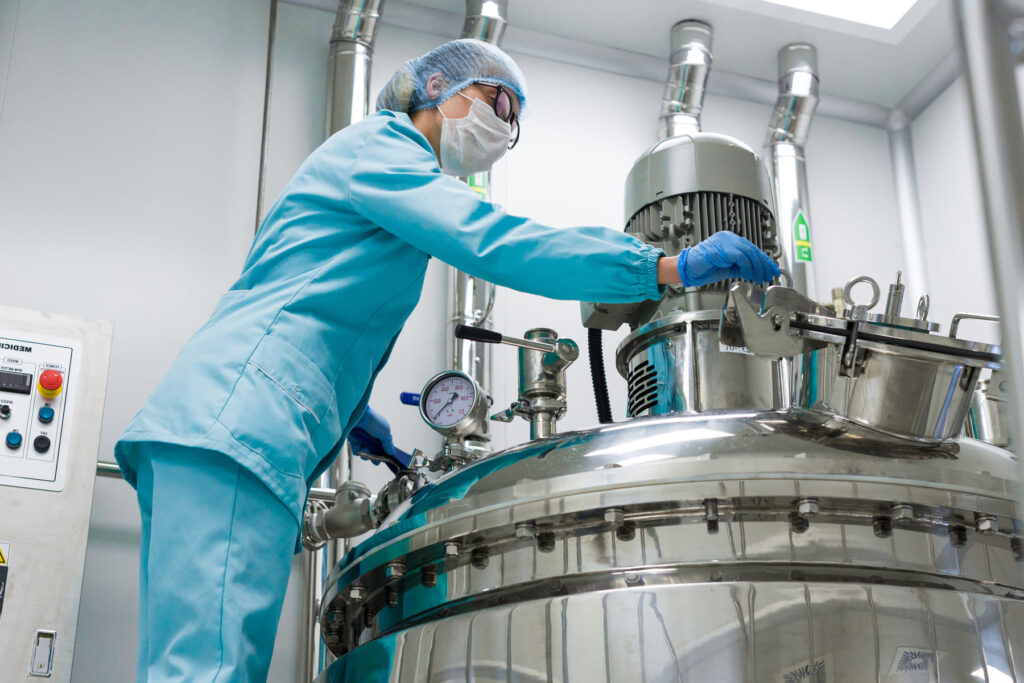
At InoxTorres, reactor design goes beyond the basic construction of a vessel. It’s about considering the entire process and ensuring that each reactor performs effectively and safely in various industrial environments. Whether it’s a batch reactor for pharmaceutical production or a flow reactor for large-scale chemical processing, the goal is always to optimize conditions for the chemical reactions that need to occur.
The core principles of reactor design revolve around managing the interaction of temperature, pressure, and fluid dynamics to optimize the chemical process. For example, in batch reactors, which are commonly used in the pharmaceutical and specialty chemicals industries, the design must ensure proper mixing and precise temperature control. On the other hand, for flow reactors, such as those used in petrochemical refineries, designers must consider factors like residence time and flow distribution.
By taking these critical parameters into account, reactor designers ensure that the system operates efficiently, reliably, and safely.
Practical applications of computational modeling in reactor design
Computational modeling has become a game-changer in reactor design. Advanced simulation techniques allow engineers to predict how fluids, heat, and chemical reactions will behave within the reactor before it is even constructed. This shift from trial-and-error methods to predictive modeling has made reactor design more efficient, cost-effective, and safe.
Through computational modeling, it is possible to simulate a wide range of operating conditions, allowing designers to predict how heat, mass, and momentum transfer affect the chemical process. This is particularly important in industries where precision is critical, such as in the pharmaceutical industry, where even small deviations in reaction conditions can lead to poor yields or unsafe products.
Enhancing reactor performance through simulation
One of the key benefits of simulation is the ability to optimize heat transfer systems in reactors. By using computational models, engineers can predict how well heat will be transferred within the reactor and adjust the design accordingly. For instance, heat exchangers incorporated into the reactor system can be optimized to ensure consistent temperature regulation, which is vital for both exothermic and endothermic reactions.
In reactors designed for highly exothermic reactions, such as polymerization, managing heat becomes critical. Modeling the temperature profile across the reactor can help prevent hot spots that might lead to safety issues or inefficient reactions. Similarly, reactors designed to handle high-pressure reactions, such as those in the petrochemical industry, can benefit from computational modeling that predicts stress and material fatigue over time, ensuring long-term reliability.
Modeling chemical kinetics and reaction dynamics
Chemical reactions are governed by complex kinetics that depend on various factors, such as temperature, pressure, and the concentration of reactants. Computational models help predict how these factors influence reaction rates and product formation. By simulating these dynamics, engineers can design reactors that provide the ideal conditions for optimal reaction outcomes.
For instance, in polymerization reactions, the rate of polymer growth and the molecular weight of the polymer can be controlled by carefully managing temperature and pressure within the reactor. Through accurate modeling, it is possible to predict how the reaction will proceed and adjust the reactor design accordingly to achieve the desired product characteristics.
General reactor design expertise
Designing industrial reactors requires not only technical expertise in chemical reactions but also an understanding of materials, safety standards, and process integration. Engineers must consider a range of factors, including the type of reactor, the operating conditions, and the materials used in the construction of the reactor. Whether for batch reactors or flow reactors, the goal is to create a system that can handle the specific requirements of the chemical process it will support.
Reactor design experts typically rely on a combination of hands-on experience, industry best practices, and advanced computational tools to create reactors that meet specific process needs. This may include designing reactors for complex reactions, such as oxidation or distillation. Such processes require precise control over temperature and pressure is required to maximize yields and minimize by-products.
Custom reactor solutions for diverse chemical processes
The need for custom reactor solutions is widespread across industries. For example, in the petrochemical industry, reactors are often used for polymerization, pyrolysis, and distillation. These reactions require precise temperature and pressure control to ensure that the products meet the required specifications. Likewise, in fine chemicals production, reactors are designed to handle highly sensitive reactions, where even small variations in conditions can lead to significant changes in the final product.
A key benefit of modern reactor design is the ability to customize the equipment to fit the specific process requirements. Whether it’s choosing the right material—such as high-nickel alloys or titanium—to withstand aggressive chemicals, or designing reactors that allow for precise control over heat transfer and mixing, customization ensures that reactors operate at peak efficiency.
Materials and technologies used in reactor fabrication
The materials chosen for reactor construction must be able to withstand the specific chemical, thermal, and mechanical stresses involved in the reaction. Common materials include stainless steel, high-nickel alloys, duplex, superduplex, and titanium. These materials are selected based on their ability to resist corrosion, handle high pressures, and maintain structural integrity under extreme temperatures.
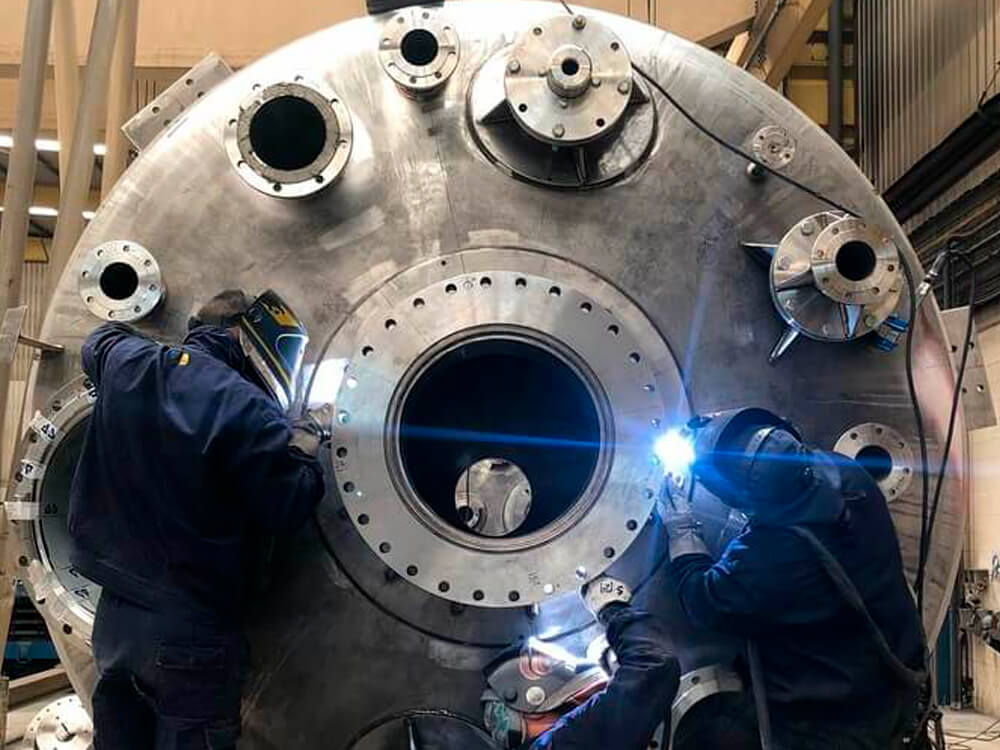
Fabrication technologies also play a critical role in reactor design. Robotic welding and orbital welding are often used to ensure precision and reliability, particularly when working with high-performance alloys. Additionally, reactors may be equipped with advanced heat transfer systems, including internal coils, jackets, and electrical tracing, to maintain temperature stability during the reaction process.
Ensuring safety and compliance with industry standards
Safety is an absolute priority in reactor design. Each reactor must be built to meet or exceed the most stringent safety and regulatory standards, such as ASME and PED. These standards ensure that reactors can handle the high pressures, temperatures, and chemicals involved in industrial processes without compromising safety.
Every reactor undergoes rigorous testing, from pressure tests to non-destructive inspections, to verify that it meets these standards. Compliance with industry regulations not only ensures the safety of workers but also helps avoid costly shutdowns and legal issues.
Benefits of optimized reactor design and modeling
Optimized reactor design has a direct impact on your bottom line. Here’s how:
- Energy Efficiency: By designing reactors with optimized heat transfer systems and precise temperature control, we reduce energy consumption and improve overall process efficiency.
- Longer Durability: Reactors designed with the appropriate materials and safety features are built to withstand harsh conditions, reducing maintenance costs and downtime.
- Tailored Solutions: Custom reactor designs ensure that the specific needs of each process are met, improving performance and integration.
- Scalability: Small modular reactors offer flexibility, allowing processes to be scaled up or down depending on production requirements.
- Safety: A focus on optimizing reactor design and utilizing advanced simulation tools helps minimize risks and ensures the reactor operates safely and reliably.
Future trends in reactor design and computational modeling
Looking ahead, the future of reactor design lies in the continued integration of digital tools and smart technologies. Advancements like digital twins, real-time process monitoring, and AI-driven optimization will revolutionize how reactors are designed, operated, and maintained. These technologies will allow engineers to create reactors that not only deliver optimal performance but can also adapt to changes in operating conditions and optimize their performance on the fly.
Sustainability will continue to be a driving factor in reactor design. The focus is shifting toward greener processes, lower energy consumption, and reducing waste. As the industry pushes for more sustainable processes, reactor designs will evolve to accommodate these needs while maintaining efficiency and safety.
Moreover, small modular reactors are becoming a popular choice in both the chemical and energy sectors due to their flexibility, ease of scaling, and reduced capital investment. As industries look for more adaptable and cost-effective solutions, modular reactors will continue to rise in popularity.
At InoxTorres, we’re staying ahead of these trends, committed to providing reactors that integrate the latest technologies and sustainable practices.