What is an industrial pressure vessel?
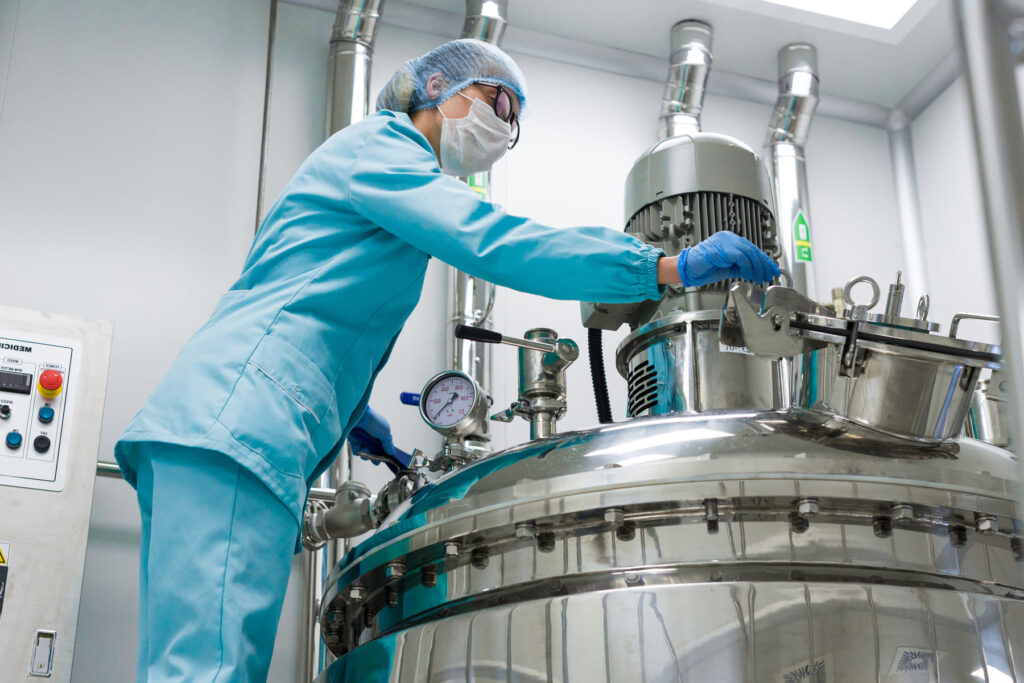
In industrial manufacturing, pressure vessels are essential components that serve critical roles in many sectors, including petrochemical, pharmaceutical, chemical, and food processing industries. Essentially, these are containers designed to safely hold gases or liquids at pressures significantly different from atmospheric pressure.
The variety of pressure vessel designs is vast and tailored to meet specific operational requirements. What remains consistent across all types is the necessity for these vessels to endure both internal and external pressures without compromising safety or performance. This demands robust construction materials such as stainless steel, specialized nickel alloys, or titanium, carefully selected for their strength and corrosion resistance.
Regulations play a fundamental role in ensuring these vessels operate safely. In the United States, the ASME Boiler and Pressure Vessel Code, particularly Section VIII, establishes rigorous design, fabrication, and maintenance standards. In Europe, the Pressure Equipment Directive (PED 2014/68/EU) provides a similarly strict regulatory framework. Compliance to these industry standards is mandatory to minimize risk and guarantee reliable operation.
Understanding the nature of pressure vessels, their design considerations, and the pressures they must withstand forms the foundation for appreciating the critical importance of their ongoing maintenance.
Common types of pressure vessels
Pressure vessels come in various shapes and sizes, each serving a specific function in industrial processes. Among the most common are:
- Storage tanks, designed to safely contain gases or liquids under pressure temporarily.
- Chemical reactors, where controlled chemical reactions occur under carefully maintained pressure and temperature conditions.
- Heat exchangers, particularly shell and tube types, which allow fluids to efficiently transfer heat between each other without direct contact.
- Separators, which are used to isolate different fluid phases under pressure for purification or treatment.
- Autoclaves, typically employed in sterilization or curing processes, operating under steam pressure.
Regarding their physical orientation, cylindrical pressure vessels dominate the industry due to their efficient structural properties. They are commonly fabricated in vertical or horizontal configurations, depending on the plant layout and process requirements.
Material selection and fabrication techniques are dictated by factors such as the corrosiveness of the media, pressure and temperature conditions, and exposure to cyclic stresses. High-performance alloys like titanium and high-nickel steels often require specialized welding methods to ensure structural integrity.
Key maintenance practices for safety and longevity
Given the high risks associated with pressure vessel failures, a meticulous, well-planned maintenance program is indispensable. Proper maintenance not only safeguards personnel and assets, but also extends equipment lifespan and ensures regulatory compliance.
Inspection and testing protocols
Maintenance strategies focus on comprehensive inspection and testing regimes. Visual inspections help identify surface defects such as corrosion, cracks, or deformation that could indicate emerging issues.
More advanced inspections rely on Non-Destructive Testing (NDT) methods. Ultrasonic testing (UT) enables precise measurement of wall thickness and detection of internal flaws. Radiographic testing (RT) offers detailed imagery of welds and critical components to reveal hidden discontinuities. Magnetic particle (MT) and dye penetrant testing (PT) focus on surface defect detection, crucial for early problem identification.
Hydrostatic testing—where the vessel is filled and pressurized with water above normal operating pressures—validates structural soundness. Leak testing further confirms the vessel’s integrity under operational conditions.
Inspection intervals must respect industry standards. For example, the National Board Inspection Code (NBIC) in the U.S. recommends inspection frequencies based on vessel service conditions, often ranging from one to five years. In Europe, PED guidelines require periodic re-examination depending on risk categories, generally every 2.5 to 5 years.
Documenting all inspections thoroughly is vital, enabling tracking of wear patterns and informed decision-making for repairs or replacements.
Welding and repair considerations
Repairs on pressure vessels must strictly follow certified procedures. Only welders qualified under standards like ASME Section IX (U.S.) or EN ISO 9606-1 (Europe) should perform these tasks to ensure quality and safety.
Repair work must avoid introducing stress concentrators or weakening the vessel. Post-weld heat treatment (PWHT) is often necessary to relieve residual stresses that could lead to premature cracking.
All repairs must undergo appropriate NDT verification before the vessel returns to service. Maintaining detailed records of welding procedures and repair histories is essential for regulatory compliance and operational traceability.
Fabrication quality and material checks
Maintenance extends beyond repairs, requiring ongoing assessment of material conditions. Monitoring corrosion and erosion rates via ultrasonic thickness measurements helps predict remaining service life.
Protective coatings and linings must be inspected and renewed when necessary to prevent material degradation.
Keeping accurate documentation of original materials and any alterations supports lifecycle management and audit readiness.
Risks and consequences of poor pressure vessel maintenance
Neglecting maintenance can lead to disastrous outcomes. Equipment failures can cause injuries, environmental harm, production downtime, and significant financial penalties.
Common failure mechanisms include corrosion-induced cracking, fatigue from cyclic stresses, and substandard repairs. A rupture in a high-pressure vessel, for example, can lead to explosive releases of hazardous substances with severe safety and ecological impacts.
Additionally, unplanned shutdowns disrupt operations and erode customer confidence. Regulatory authorities impose strict penalties for non-compliance with maintenance and inspection requirements, underscoring the necessity for rigorous upkeep.
Essential tips for effective industrial pressure vessel maintenance
Implementing a successful maintenance program involves several key elements:
- Establishing a maintenance schedule aligned with ASME and PED inspection requirements and adapted to vessel risk profiles.
- Applying risk-based inspection (RBI) methodologies to prioritize resources on vessels with the highest safety and operational significance.
- Maintaining comprehensive and organized records of inspections, repairs, and material assessments.
- Ensuring personnel receive ongoing training on current inspection technologies and safety procedures.
- Utilizing advanced condition monitoring tools such as corrosion probes and acoustic sensors to detect early signs of deterioration.
- Collaborating with certified third-party inspection agencies to guarantee objectivity and adherence to best practices.
What you need to know about industrial pressure vessel maintenance
Maintaining pressure vessels is a multidisciplinary challenge, combining technical expertise, regulatory understanding, and operational know-how.
A solid grasp of applicable design codes—whether ASME in the U.S. or PED in Europe—and an understanding of how operational factors like pressure cycles, temperature variations, and chemical exposure affect vessel integrity are essential.
Proactive maintenance and early detection help prevent costly failures and protect both personnel and assets.
By integrating modern inspection technologies and adhering to strict maintenance schedules, companies can maximize safety, operational uptime, and equipment lifespan.