Understanding ATEX certification and its importance in high-pressure equipment
In industries where high-pressure equipment operates—such as the petrochemical, pharmaceutical, and energy sectors—ensuring safety and compliance with strict safety standards is essential. ATEX certification ensures that the equipment is designed and constructed to operate safely in potentially explosive environments, where the presence of flammable gases, vapors, or combustible dust could lead to catastrophic events.
ATEX (short for ATmosphères EXplosibles) is a European Union directive that regulates equipment used in explosive atmospheres. The ATEX certification is critical for high-pressure systems, such as pressure vessels, reactors, and heat exchangers, where the containment of hazardous materials under extreme conditions is a daily requirement. In these industries, a failure to meet ATEX standards could lead to ignition sources that trigger explosions, resulting in severe damage to facilities, injury to personnel, and potentially significant environmental harm.
The ATEX certification ensures that the equipment is designed and built to mitigate ignition sources. It ensures that the equipment will not become an ignition source even under normal or fault conditions, safeguarding health and safety in hazardous environments.
What is ATEX certification?
ATEX certification refers to the process by which industrial equipment, including high-pressure equipment, is verified to ensure it meets the safety requirements for use in hazardous areas. These areas are classified based on the likelihood of an explosive atmosphere occurring, and equipment used in these areas must adhere to strict regulations to prevent triggering explosions.
The ATEX process involves an in-depth evaluation of various factors, such as the temperature of the equipment, pressure relief valves, potential ignition sources, and the specific conditions of the environment where the equipment will be used. For high-pressure equipment, this involves ensuring that the materials used in its construction, such as carbon steel, stainless steel, and titanium, can withstand extreme temperatures, mechanical stresses, and chemical exposures.
The role of ATEX certification in ensuring safety in explosive environments
The role of ATEX certification is to ensure that the equipment can safely operate in explosive atmospheres without becoming a source of ignition. When high-pressure equipment is used in environments where flammable gases, vapor, or combustible dust are present, the risk of explosion is high. ATEX certification ensures that the equipment will not generate sparks or excess heat that could ignite the surrounding atmosphere.
Some key aspects of ATEX certification include:
- Intrinsic Safety: Ensures that equipment is designed to prevent ignition sources by controlling the energy levels within the equipment. For example, low energy levels in circuits prevent electrical sparks from causing explosions.
- Explosion-Proof Enclosures: Equipment is contained in specially designed enclosures that prevent the ignition of flammable gases or combustible dust.
- Increased Safety: Equipment is designed with additional protective measures that allow it to continue operating safely under fault conditions, preventing overheating or the release of hazardous materials.
In the context of high-pressure equipment, ensuring the safe containment of fluids under high pressures without becoming a source of ignition is paramount. ATEX certification plays a crucial role in providing this assurance by guaranteeing that the equipment will not act as a potential ignition source, even in the event of a failure or malfunction.
ATEX certification requirements and process for high-pressure equipment
ATEX certification codes and regulations
ATEX certification for high-pressure equipment involves adhering to a specific set of codes and regulations that govern the design, testing, and operation of equipment in explosive environments. The equipment must be classified according to the type of hazard it may encounter and the level of protection it offers.
- Zone Classifications: ATEX zones define areas with explosive atmospheres. These zones are categorized based on the likelihood of an explosive atmosphere occurring:
- Zone 0/20: Continuous or long-term presence of explosive atmospheres.
- Zone 1/21: Occasional presence of explosive atmospheres.
- Zone 2/22: Rare occurrence of explosive atmospheres.
- Zone 0/20: Continuous or long-term presence of explosive atmospheres.
- Equipment Group Classification: Equipment is classified into Group I (for mining applications) and Group II (for all other industries). The equipment is then assigned to a Category (1, 2, or 3) to indicate the level of protection provided for specific zones.
How to get ATEX certification for high-pressure equipment
The process for obtaining ATEX certification for high-pressure equipment is a thorough and systematic procedure that ensures the equipment meets all the necessary safety requirements for operation in explosive atmospheres:
- Risk Assessment: A comprehensive risk assessment is carried out to identify all possible ignition sources and evaluate the likelihood of an explosive atmosphere forming. This includes assessing temperature control, electrical components, mechanical stresses, and more.
- Design Review: The equipment design is scrutinized to ensure it meets the required safety standards. This includes selecting appropriate materials, integrating corrosion resistance, and ensuring thermal stability under extreme pressure and temperature conditions.
- Prototype Testing: Before certification, the equipment undergoes rigorous testing to ensure it meets ATEX standards. This includes pressure testing, environmental testing, and checking for potential ignition sources.
- Evaluation by Notified Body: For equipment that falls under Category 1 or 2, a Notified Body (NoBo) must be involved. The NoBo reviews the technical documentation, inspects the manufacturing processes, and conducts audits. This includes performing real-world simulations to ensure compliance with ATEX standards.
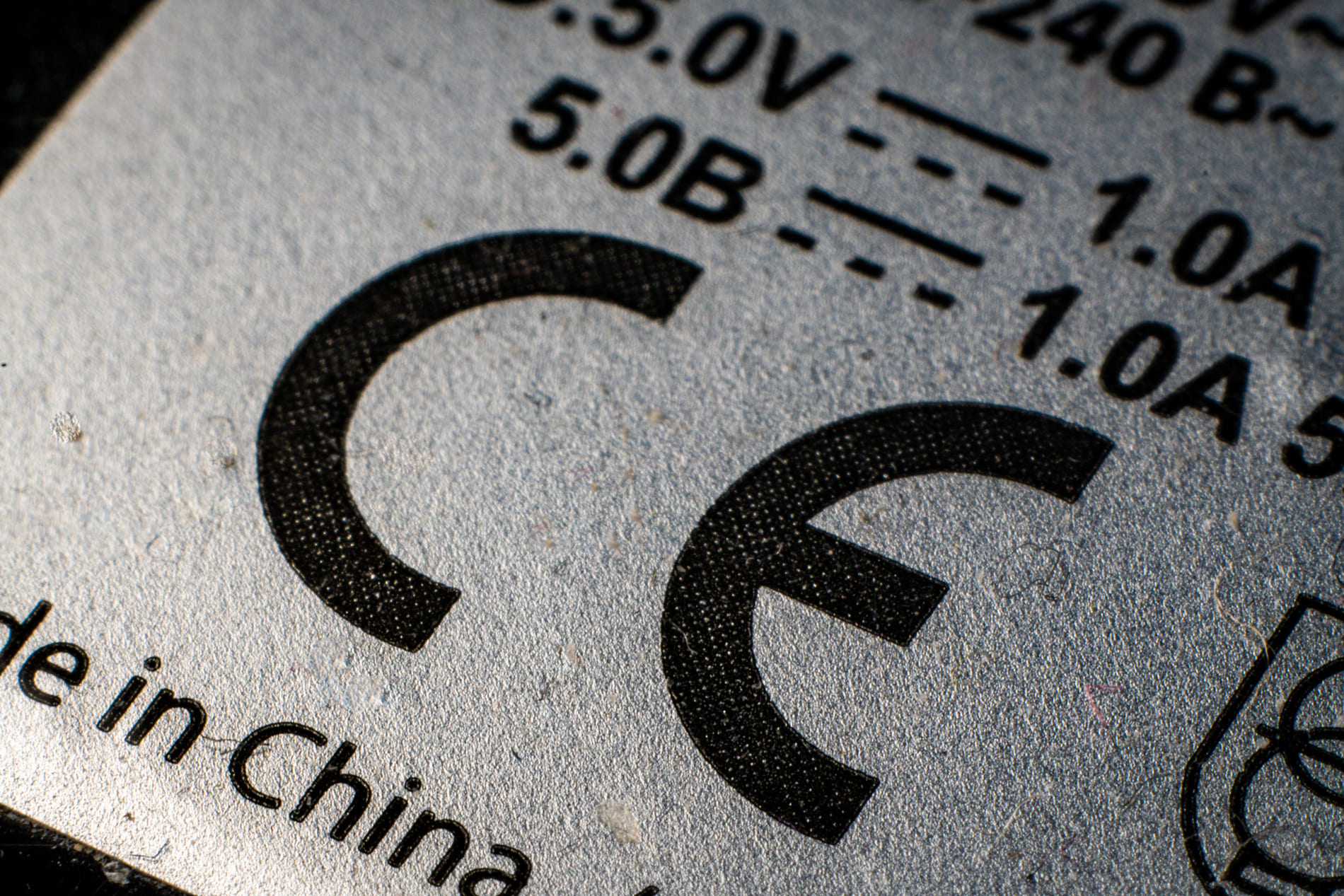
- Documentation and Declaration of Conformity: Once the equipment passes all tests and inspections, the manufacturer issues a Declaration of Conformity (DoC), certifying that the equipment meets ATEX requirements. The equipment is then marked with the CE mark and ATEX classification (e.g., Ex II 2G), indicating that it is safe for use in explosive environments.
ATEX design and installation considerations for high-pressure equipment
- Material Selection: The materials used in high-pressure vessels must be able to resist corrosion, handle extreme mechanical stresses, and maintain integrity under high-pressure and high-temperature conditions.
- Temperature Control: High-pressure systems, particularly those handling gases or liquids at elevated temperatures, require robust temperature control systems to prevent surfaces from exceeding the ignition temperature of the surrounding environment.
- Leak Prevention: Proper sealing techniques are crucial to prevent leaks, which could lead to hazardous chemical exposure or ignition of flammable gases.
- Electrical Safety: Electrical components used in high-pressure equipment must be designed to prevent sparks and overheating, using explosion-proof enclosures or intrinsic safety methods.
Key benefits of ATEX certification in high-pressure equipment
Obtaining ATEX certification for high-pressure equipment brings several key benefits, both for manufacturers and operators:
- Enhanced Safety: The most obvious benefit is the significant reduction in the risk of explosions, ensuring the safety of personnel, equipment, and the surrounding environment.
- Regulatory Compliance: ATEX certification ensures compliance with European and international safety regulations, making it easier to access markets that require ATEX compliance.
- Reliability and Durability: ATEX-certified equipment is designed to withstand harsh environmental conditions, increasing the operational lifespan and reliability of the equipment.
- Increased Market Access: ATEX certification is recognized worldwide, facilitating the international trade of pressure vessels and other equipment used in explosive atmospheres.
ATEX Zone Classifications for Safe Equipment Operation
ATEX zones classify areas based on the probability and duration of explosive atmospheres. Each zone requires specific protection measures and equipment ratings, ensuring that ATEX-certified equipment is suitable for use in the appropriate environment:
- Zone 0/20: Continuously present explosive atmospheres.
- Zone 1/21: Likely presence of explosive atmospheres.
- Zone 2/22: Unlikely presence of explosive atmospheres.
ATEX certification in the European Union and international standards
While ATEX certification is mandatory in the European Union, its influence has spread globally through IECEx (International Electrotechnical Commission System for Certification to Standards Relating to Equipment for Use in Explosive Atmospheres), which provides internationally recognized standards for explosion-proof equipment. ATEX-certified equipment is accepted in many regions, helping manufacturers expand their market presence and ensuring safety across borders.
- Saidi, N., Moummi, N., Benissa, M., & Amroune, S. (2023). Safe Management of Pressure Equipment/Assemblies in Biorefineries: Case Study of a Reactor. Applied Sciences, 13(20), 11210.
- Wärtsilä. (2020). Guidelines for Documentation and Electrical Installations in Explosive Atmospheres: ATEX Guide at Wärtsilä. Wärtsilä